
When Do You Need Climate-Controlled Storage?
When Do You Need Climate-Controlled Storage?
You've got a storage unit reserved, a moving truck lined up, and a plan to get everything out of the house. But somewhere between packing the first box and signing the lease, a question surfaces: does this stuff actually need climate-controlled storage, or is a standard unit good enough? It's one of the most common decisions storage customers face, and the wrong answer can be an expensive one.
The short answer is that it depends on what you're storing, where you're storing it, and for how long. A temperature-stable environment from Advantage Self Storage isn't a luxury for every situation, but for the right items and in the right climates, it's the single most effective way to protect your belongings from damage that's entirely preventable. This guide walks through exactly when climate control is worth it and when a standard unit will do the job just fine.
What Is Climate-Controlled Storage and How Does It Work?
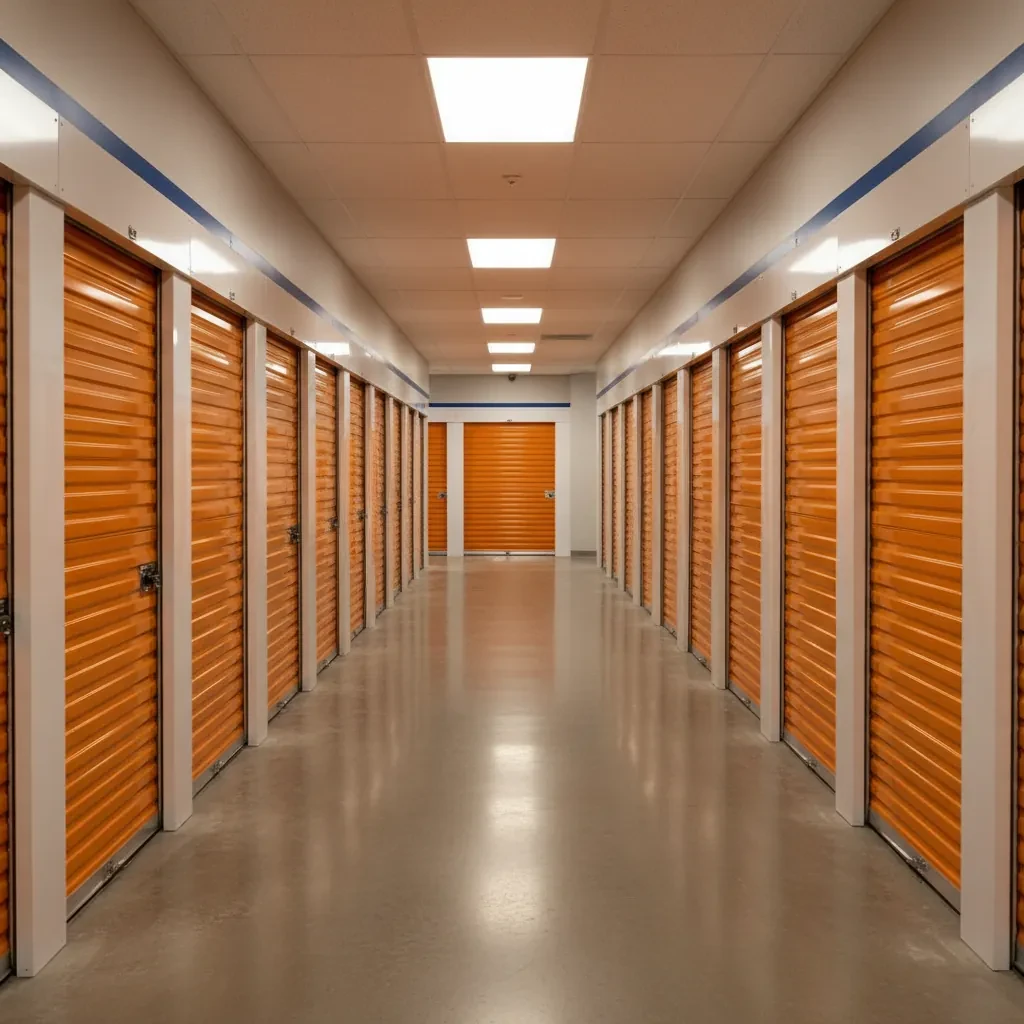
Climate-controlled storage is exactly what it sounds like: a storage environment that maintains a consistent temperature range year-round, typically between 55° F and 85° F, regardless of what the weather is doing outside. These units use active heating and cooling systems built into an enclosed, insulated building, which is a setup that differs significantly from the standard drive-up unit sitting exposed to the elements at the edge of a facility's lot.
When comparing climate-controlled vs. regular storage, the distinction comes down to stability. A standard unit's interior temperature rises and falls with the outdoor air, which means a July afternoon in Maryland could push that unit past 90° F, while a January night in New York could drop it well below freezing. A temperature-regulated unit, by contrast, holds steady through all of it.
Which Items Truly Require Temperature-Regulated Storage?
The easiest way to figure out whether an item needs climate control is to ask yourself one honest question: Would I leave this in a hot car or a freezing garage for several months and expect it to come out unscathed? If the answer is no, a temperature-stable unit is almost certainly the right call. Here's a closer look at the categories that benefit most:
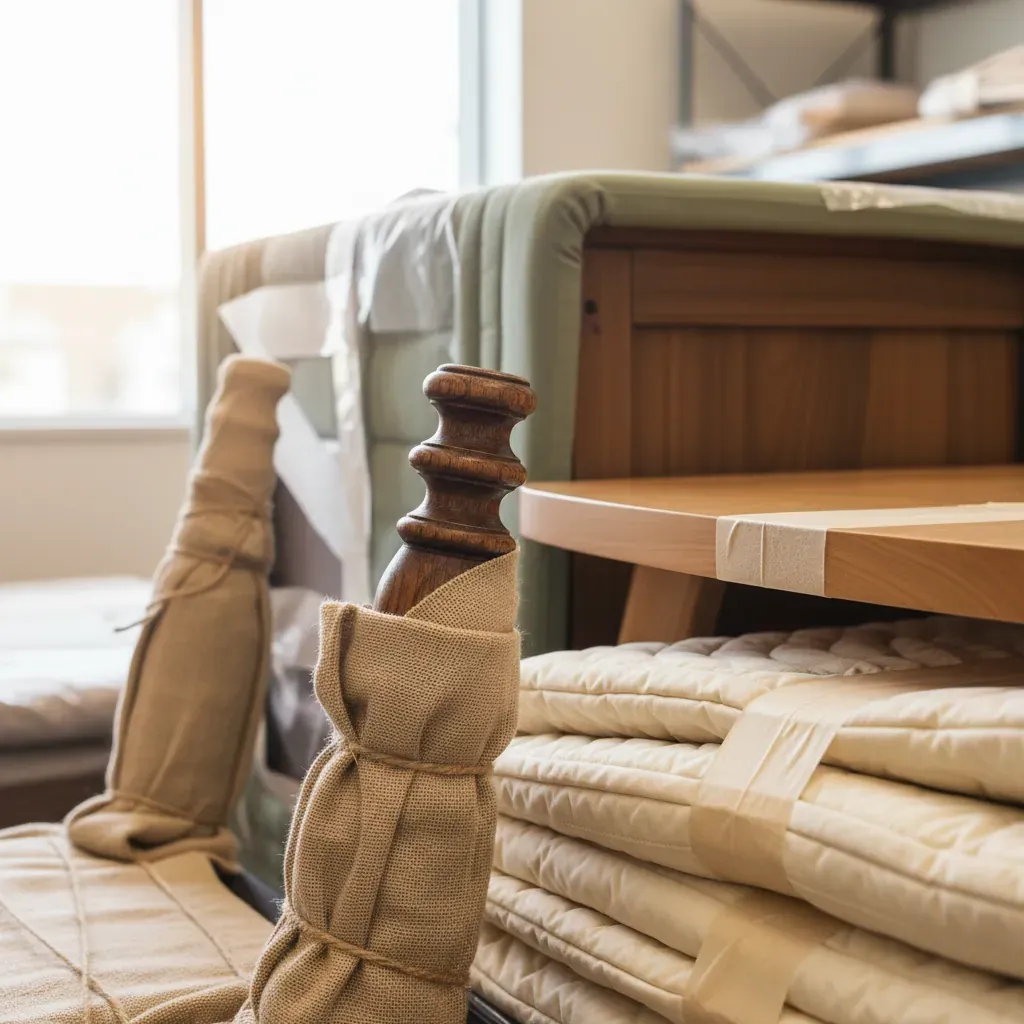
- Furniture: Wood expands and contracts with temperature changes, which leads to warping, cracking, and joint failure over time. Leather can dry out and split in extreme heat. Upholstered pieces may degrade in ways that aren't immediately visible. Storage for furniture, especially old pieces, should almost always include climate control.
- Electronics: Televisions, computers, audio equipment, and gaming consoles contain sensitive components with tight manufacturing tolerances. Prolonged exposure to temperature extremes can permanently damage circuit boards, screens, and battery cells. Storage for electronics is one of the clearest use cases for a temperature-controlled unit.
- Wine: Wine is particularly unforgiving. Fluctuating heat alters fermentation chemistry, shifts flavor profiles, and can compromise an entire collection. Proper wine storage demands a consistent temperature, full stop.
- Musical instruments: Wood-bodied instruments like guitars, violins, and pianos are extremely sensitive to temperature swings. Adhesives weaken, wood splits, and tuning stability suffers.
- Artwork and photographs: Heat accelerates the chemical breakdown of pigments and photographic emulsions.
If you're storing a mix of items, it may make sense to keep the temperature-sensitive belongings in a climate-controlled unit and use a standard unit for the rest. Our storage unit size guide can help you figure out how much space you'll actually need for each category.
When Do Seasonal Conditions Make Climate-Control Necessary?
Geography matters enormously when deciding between a standard and a temperature-controlled unit. At extreme temperatures, material breakdown accelerates dramatically. Adhesives fail, plastics deform, and electronics sustain permanent internal damage.
Freezing temperatures cause wood to contract sharply, which stresses joints and finishes. Electronics stored in subfreezing conditions can suffer condensation damage when they're finally brought back into a warm environment. Even pipes and metal components can crack under prolonged cold.
It's also worth noting that even mild climates aren't immune. A single unexpected heat wave or cold snap, the kind that catches a region off guard, can do real damage to unprotected belongings. If you're storing in Colorado's Front Range communities, for example, temperature swings between seasons can be dramatic even when individual days feel moderate.
The duration of storage is another key variable. A few days in a standard unit poses minimal risk. But long-term storage significantly raises the odds of temperature-related damage. Customers storing during a home sale, extended travel, or a long-distance move are especially well-served by climate control, since their belongings may sit unattended through multiple seasonal changes.
Climate-Controlled vs. Regular Storage: Weighing the Value

A simple cost-benefit framework works well here. Take the monthly price difference between a climate-controlled unit and a standard one. Multiply it by the number of months you plan to store. Then compare that total against the replacement value of the items inside. For a vintage guitar, a collection of family photographs, or a home theater system, the math usually resolves quickly in favor of climate control.
There are additional benefits worth considering beyond temperature regulation:
- Enclosed building access: Indoor storage units with climate control typically feature interior corridors rather than exterior drive-up doors, which limits exposure to outdoor conditions every time you visit.
- Enhanced security features: Many climate-controlled facilities offer digital surveillance, keypad-controlled entry points, and limited access corridors.
- Reduced foot traffic: Enclosed buildings with controlled access tend to see fewer unauthorized visitors than open-lot facilities.
Choose the Right Unit and Store With Confidence
Before you book any storage unit, take 20 minutes to inventory your belongings and group them by temperature sensitivity. This simple step streamlines the entire decision-making process and prevents the frustrating scenario of discovering mid-move that your chosen unit type doesn't fit your actual needs.
It's also worth knowing that many facilities offer flexible lease terms, so upgrading from a standard unit to a climate-controlled one mid-storage is often possible if your needs change. You're not locked in forever by your initial choice. If you're ready to explore options near you, Advantage and Arvada West Storage's locations can help you find a unit that fits, whether that's a temperature-regulated indoor space or a straightforward drive-up option.
Ultimately, the right storage decision is about matching the solution to the belongings. Climate control isn't necessary for everything, but for the items that matter most, it's the clearest path to peace of mind. The right facility will help you make that call with confidence, not pressure.