Self Storage as a Last-Mile Delivery Hub for E-Commerce

Self Storage as a Last-Mile Delivery Hub for E-Commerce
The final stretch of any delivery, from a local distribution point to a customer's front door, is consistently the most expensive and time-sensitive leg of the entire supply chain. For small e-commerce operators, that last mile can quietly erode margins, damage brand reputation, and make scaling feel like an uphill battle. What if a smarter, more agile solution was already sitting in your city, waiting to be activated?
Commercial self storage has evolved well beyond personal overflow. Today, forward-thinking e-commerce brands are repurposing strategically located storage units as lean, cost-efficient micro-fulfillment centers, placing inventory closer to customers, reducing transit times, and cutting the overhead that traditional warehousing demands. It's a model that rewards flexibility, and it's gaining serious traction among Shopify sellers, Amazon FBA prep operations, and direct-to-consumer brands alike.
This guide by Advantage Self Storage breaks down exactly how the storage-as-fulfillment-hub model works, what to look for in a facility, and how to build a scalable last-mile delivery network without the burden of a long-term commercial lease.
Why Last-Mile Logistics Is a Growing Pain Point for Small Businesses
Last-mile delivery describes the final leg of order fulfillment: the movement of a product from a staging or distribution point directly to the end customer. It sounds straightforward, but it accounts for an estimated 53% of total shipping costs, according to industry research. For small e-commerce operators competing against large retailers with sophisticated logistics infrastructure, that number stings.
Urban delivery costs have risen sharply in recent years, driven by carrier surcharges, fuel adjustments, and demand spikes that show no sign of reversing. At the same time, traditional warehouse facilities often present real operational barriers: limited parking for courier pickups, no loading dock for rapid dispatch, and locations on the outskirts of metro areas that add unnecessary distance to every delivery route.
When inventory sits far from your customers, delays compound. Slower delivery windows chip away at the trust that drives repeat purchases, and in a market where two-day shipping has become the baseline expectation, falling short is a brand risk, not just a logistics inconvenience. Business storage solutions positioned closer to your delivery zones offer a value-added alternative that puts fulfillment speed back in your hands.
Streamlining Your Fulfillment Workflow with a Storage-Based Hub Strategy
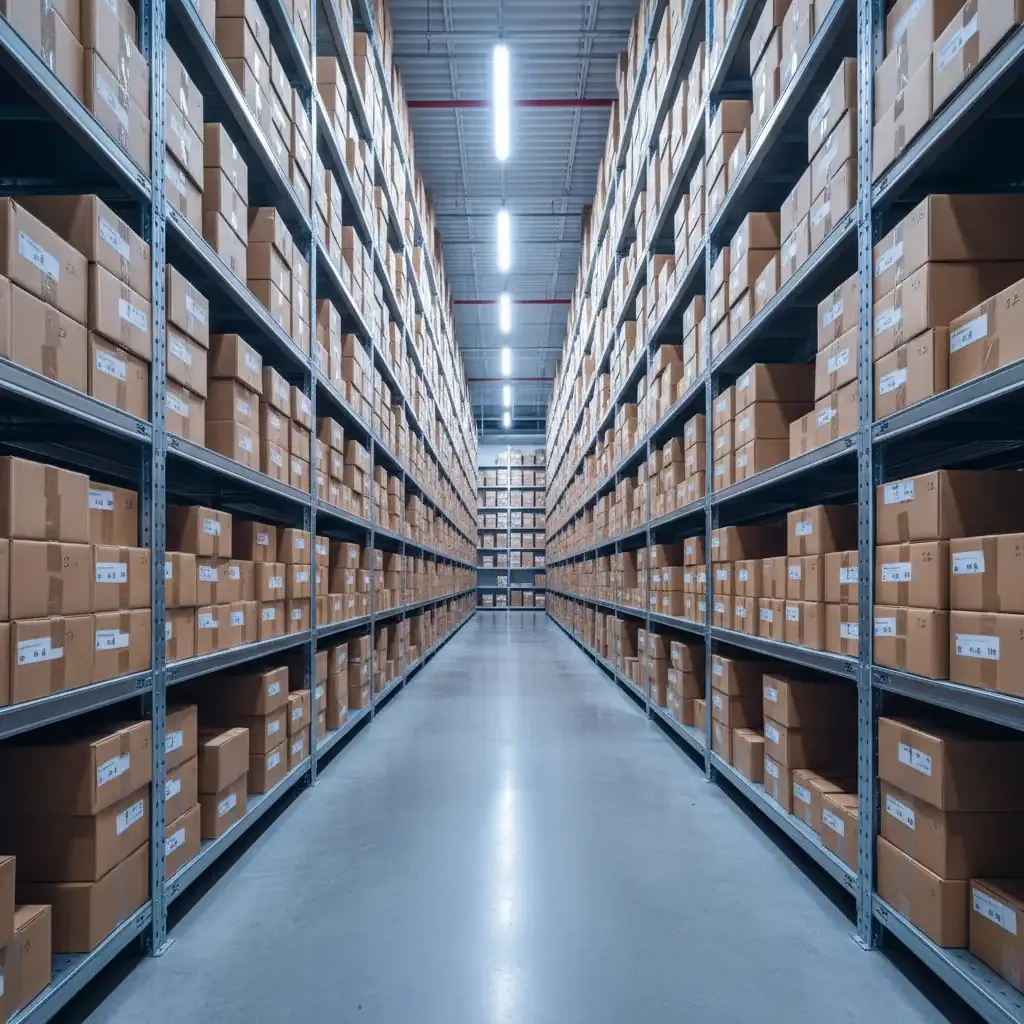
Turning a storage unit into a functional fulfillment hub requires a clear, repeatable process. Here's a practical workflow that works for most small e-commerce operations:
- Receive bulk inventory at the storage unit from your supplier or freight carrier, using the drive-up access point to unload efficiently.
- Sort and stage orders by type, destination zone, or fulfillment priority, keeping your unit organized with shelving and labeled bins.
- Dispatch via local couriers or personal vehicle, routing deliveries by geographic cluster to minimize drive time and fuel costs.
As order volume grows, expanding to multiple storage units across a city or region creates a true multi-node last-mile delivery network. Businesses can also coordinate contracted drivers or third-party couriers who pick up directly from each hub, eliminating the need for a centralized dispatch facility entirely. The result is professional fulfillment at a fraction of traditional warehouse overhead.
Scaling Small Business Inventory Without the Overhead of a Warehouse
The financial case for commercial self storage versus a traditional warehouse lease is compelling. A 1,000-square-foot commercial warehouse space in a major metro area can easily run $2,500–$4,000 per month before utilities, insurance, and staffing. A comparable storage footprint using multiple self storage units in the same market often costs 40–60% less, with no utility bills, no janitorial contracts, and no long-term lease exposure.
The pay-for-what-you-use model also supports sound due diligence when testing new product lines or entering unfamiliar markets. Rather than committing to a fixed facility, you can pilot a new region with a single unit, validate order volume, and expand only when the numbers justify it. This approach is especially effective for brands scaling on platforms like Shopify or preparing inventory for Amazon FBA, where demand can shift quickly and carrying costs matter. Explore the range of storage solutions available with Advantage Self Storage to find the configuration that fits your current stage of growth.
Start Building Your Last-Mile Hub with the Right Storage Partner
Selecting the right commercial self storage facility is a strategic decision, not just a logistical one. The criteria that matter most for e-commerce operators include:
- Location relative to your delivery zone: Prioritize facilities within or adjacent to your highest-order-volume zip codes.
- Access hours: Look for extended or 24-hour access so you can dispatch early morning or late evening based on carrier schedules.
- Unit sizes and configurations: Confirm availability of drive-up units, oversized options, and temperature-controlled spaces if your inventory requires it.
- Security features: Digital surveillance, gated entry, and individual unit alarms provide the peace of mind your business inventory deserves.
- Business-friendly amenities: Ask about freight elevator access, loading zones, on-site package acceptance, and parking accommodations for courier vehicles.
Start with a single strategically placed unit near your highest-volume delivery area, validate the workflow, and then expand to a multi-node network as demand grows. If you're just getting started, our first-time renters guide is a helpful resource for understanding what to look for before you sign.
When your facility offers the right location, the right unit types, and a team that understands business needs, the entire fulfillment experience becomes more streamlined, more reliable, and far more scalable. Contact Advantage Self Storage today to discuss storage locations near your delivery zone and build a last-mile strategy that grows with your business.