
Inventory Management Tips for Small Business Owners
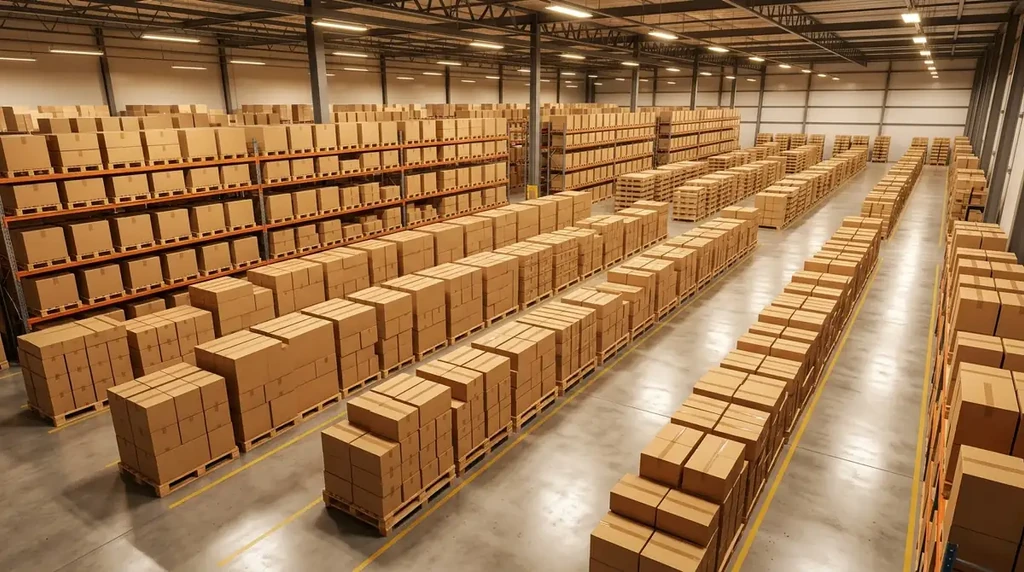
One of the most demanding roles when running a small business is keeping your inventory under control. If you're shipping handmade goods from a spare bedroom or managing hundreds of SKUs out of a garage, the moment your stock system breaks down, your customer experience follows. Orders go unfulfilled, overselling creates refund headaches, and the reputation you've worked hard to build takes a hit.
The good news is you don't need a full warehouse operation or enterprise software to run a tight inventory system. With the right strategies and storage infrastructure, small business owners at every stage of growth can have fulfillment workflows that are efficient, scalable, and hassle-free. This guide walks you through exactly how to do that, from foundational inventory practices to commercial self storage solutions that grow with your business.
Why Inventory Management Makes or Breaks Small Business Growth
Disorganized inventory is one of the most common reasons small e-commerce businesses plateau. When you can't see what you have, you either over-order and tie up cash in slow-moving stock, or you undersell and disappoint customers during peak demand. Both outcomes chip away at your margins and your reputation simultaneously. Poor inventory visibility also drives up overhead in subtle ways. For businesses operating out of limited or shared spaces, like a garage or home office, the problem compounds quickly when order volume grows.
Establishing a streamlined inventory system early creates a value-added foundation for everything that comes after. Businesses that invest in organization and operations at the start scale faster, fulfill more accurately, and build the kind of customer trust that drives repeat purchases. It's not about keeping things tidy, it's about building a commercial operation that can handle growth without breaking.
Core Inventory Management Strategies That Actually Work

There's no shortage of inventory advice online, but most small business owners need practical tactics to execute. Here are the strategies that consistently deliver results:
- Adopt FIFO (First-In, First-Out): Rotate older stock to the front so it ships before newer inventory. This reduces product aging, minimizes waste, and keeps your quality consistent, especially for cosmetics or seasonal items.
- Use SKU-based categorization: Assign a unique SKU to every product variant. This makes order picking faster, restocking more accurate, and due diligence during audits far less time-consuming.
- Set reorder point thresholds: Identify your top-selling SKUs and establish the minimum stock level that triggers a reorder. This prevents items from being out of stock during peak demand periods without requiring you to watch inventory manually every day.
- Run consistent cycle counts: Instead of a disruptive annual audit, count a rotating subset of SKUs each week. This keeps your inventory data accurate in real time without shutting down operations.
- Use cloud-based inventory software: Platforms like Shopify, Cin7, or QuickBooks Commerce integrate directly with your e-commerce storefront, giving you a centralized, real-time view of stock levels across every sales channel.
These aren't complicated systems but disciplined habits. The businesses that execute them consistently are the ones that scale without the fulfillment chaos that can slow so many others down.
How Commercial Self Storage Solves the Space Problem for E-Commerce
At some point, most growing e-commerce businesses outgrow their original storage setup. When that happens, commercial self storage for your business inventory offers a practical, flexible alternative to a long-term warehouse lease. You get dedicated square footage, professional infrastructure, and the ability to scale up or down as your order volume changes.
Separating your business inventory is one of the most impactful operational moves you can make. A dedicated storage unit creates a proper pick-and-pack environment, reduces clutter, and gives your fulfillment workflow a defined home. Business owners across America have leveraged local storage facilities to turn a scattered home setup into an organized, professional fulfillment hub.
Here's what to look for in a business storage solution:
- Temperature-controlled units: If you store electronics, cosmetics, or documents, a consistent temperature ensures product quality and prevents possible deterioration.
- Digital surveillance and gated access: Professional facilities with smart unit monitoring technology give you peace of mind that your inventory is secure around the clock.
- Drive-up access and extended hours: The ability to load and unload stock directly from your vehicle enables same-day and next-day fulfillment workflows without added hassle.
- Flexible, month-to-month leasing: Avoid being locked into a lease that doesn't match your growth pace. Month-to-month options let your overhead scale with revenue rather than against it.

For Colorado-based business owners, drive-up storage units in Arvada offer this exact kind of practical, business-ready setup, providing the drive-up convenience that makes high-volume fulfillment genuinely manageable.
Scaling Your Inventory System as Your Business Grows
As your order volume increases, the inventory practices that worked at 50 orders a month won't hold up at 500. Scale intentionally by expanding your storage footprint before you hit a bottleneck, adopting barcode or RFID tracking as growth happens, and documenting your workflows before bringing on staff.
Scaling small business inventory successfully comes down to building systems that can be handed off. When your processes live only in your head, growth creates bottlenecks. When they're documented and repeatable, growth becomes an asset.
Your Next Steps Toward a Streamlined, Scalable Inventory Operation
Scaling small business inventory successfully comes down to building systems that can be handed off. When your processes live only in your head, growth creates bottlenecks. When they're documented and repeatable, growth becomes an asset.
Ready to give your inventory room to grow? Explore business storage solutions built for scaling companies, or find a storage location near you to get started today.